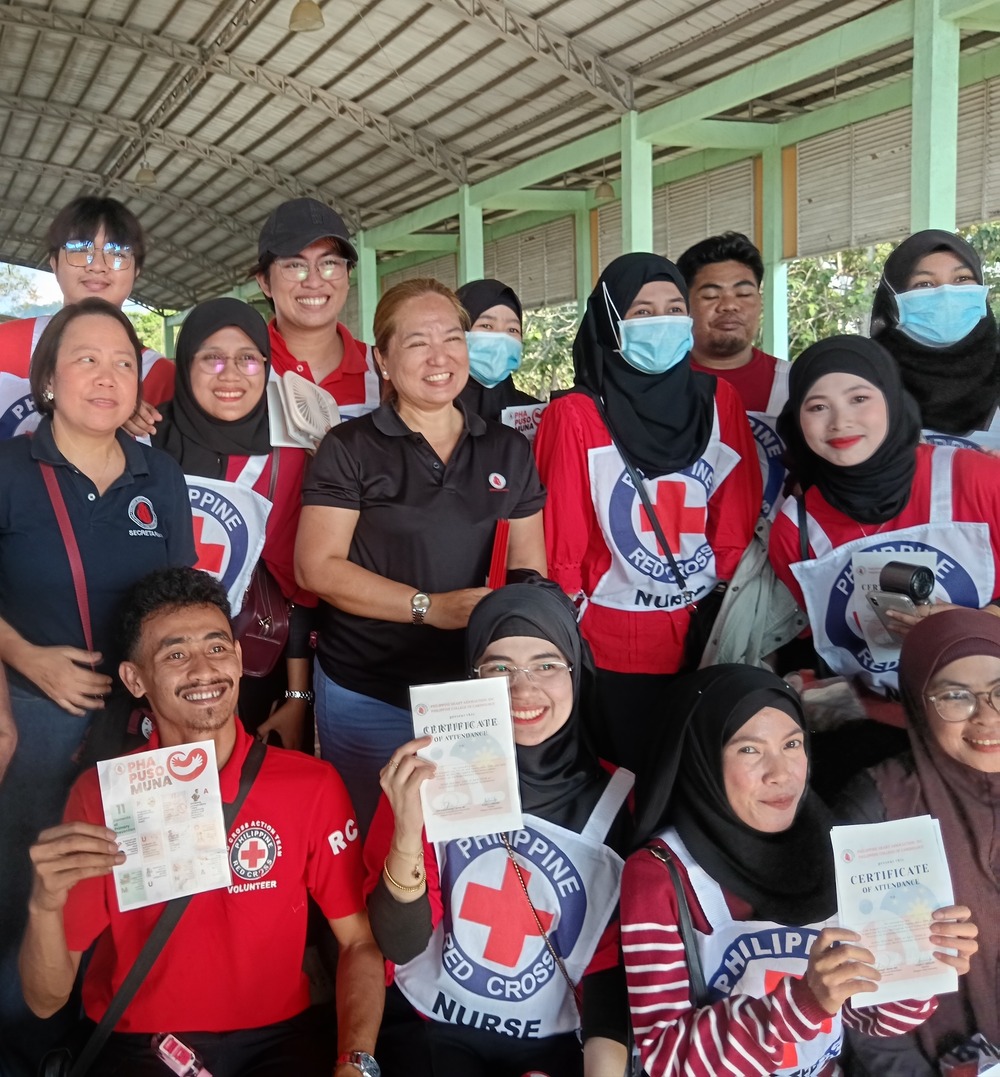
Philippine Red Cross-Sulu joined the PHA event held at the province's Multi-Purpose Gymnasium
PHA Sulu Subchapter launched with mass hands-only CPR training | By Leony Garcia | The Philippine Heart Association (PHA) National, together with the ZamBaSulTa Chapter, formally launched the PHA Sulu Subchapter with an oathtaking ceremony followed by a mass training on hands-only CPR on April 25, 2026, at the Sulu Provincial Multipurpose Gym.
The milestone event marks the final leg of the ZamBaSulTa expansion—completing the organization’s presence across the region and extending access to cardiovascular care to communities across Zamboanga, Basilan, Sulu, and Tawi-Tawi.
PHA President Dr. Walid Amil said: “Making heart care accessible is one of our core priorities. While we have made significant progress over the years, there are still communities that remain underserved, especially those without specialists.”
Meanwhile, Jolo Mayor Edsir Tan gives his full support for this “very important activity where people gather for something that truly matters; something that can help save lives.”
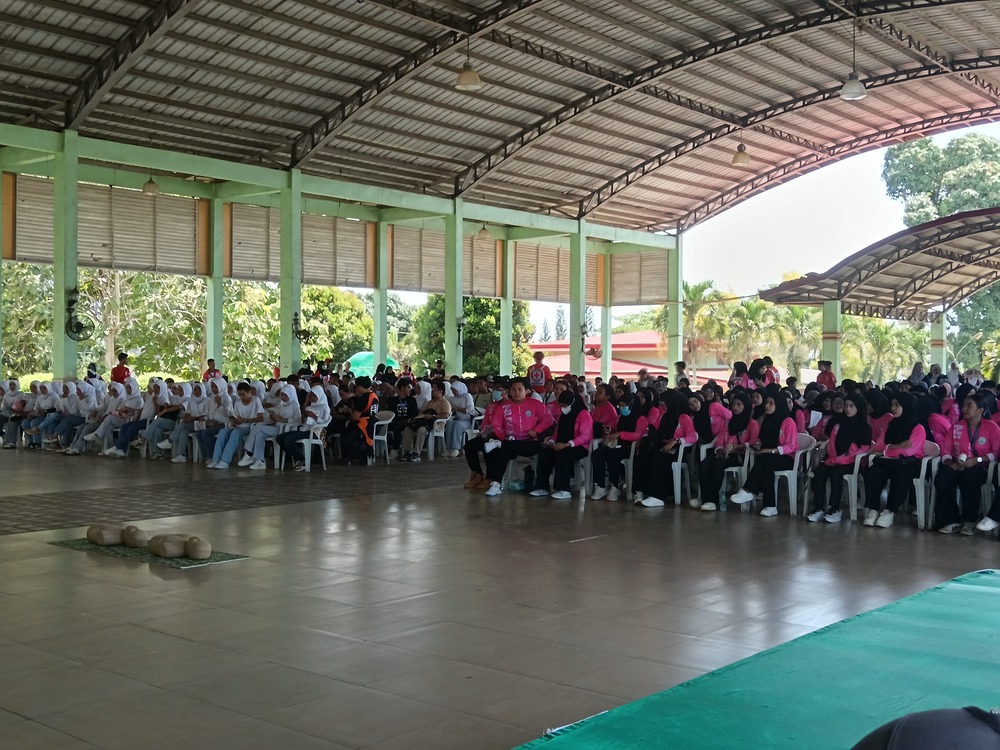
Attendees, mostly nursing students from Sulu, gather at the gymnasium to attend the PHA event, despite the scorching heat of April 25
In a message read by Coun. Tan, the mayor, said: “Many of us think that saving lives is only for doctors or nurses. But the truth ís, any one of us can help; as long as we know what to do. That’s why this CPR training is so important. It’s simple, but it can make a real difference in an emergency.”
Mass Hands-Only CPR training
The hands-only cardiopulmonary resuscitation (CPR) training – – a first in Sulu – – was participated by community members, including barangay health workers, police officers, firefighters, nurses, students, the Sulu Red Cross team, and other frontliners.
Supnet explained that cardiac arrest occurs when the heart suddenly stops pumping effectively, cutting off blood supply to vital organs such as the brain. She stressed that brain cells begin to suffer irreversible damage within four to six minutes without oxygen.
She also noted that for heart attack cases, life-saving procedures like angioplasty are ideally performed within 60 minutes, although such interventions may not always be immediately available in remote areas. In these situations, early response through CPR becomes critical.
“Time is muscle, muscle is time,” she emphasized, noting that survival chances drop by about 10 percent for every minute without CPR. Immediate and proper intervention can significantly improve outcomes and prevent cardiac death.
Programs and health education initiatives
Ulanghutan discussed hypertension, noting that approximately 90 percent of cases fall under essential hypertension, where no single cause is identified. Instead, factors such as diet, lifestyle, age, and genetics contribute to its development.
She added that the remaining 10 percent are classified as secondary hypertension, which stems from underlying conditions like kidney disease, hormonal imbalances, or medication effects, often requiring further diagnostic testing.
Hypertension and diabetes remain among the most common conditions observed in patients in the region, underscoring the need for continuous education and preventive care.
Lukman also provided insights on angina, describing it as chest discomfort caused by reduced blood flow to the heart—often triggered by physical exertion or stress and relieved by rest. She emphasized that such symptoms should not be ignored, as they may signal underlying coronary artery disease.
“Dati kayang umakyat ng hagdan nang hindi hinihingal, pero ngayon pagod na agad—kapag may ganitong pagbabago, huwag nang ipagwalang-bahala. Magpatingin agad upang maiwasan ang mas malalang kondisyon,” she said.
Meanwhile, Ismael highlighted the “PHA PUSO MUNA” advocacy (Pagkain na malusog, Huwag manigarilyo, Aktibong pamumuhay, Presyon ay kontrolin, Uminom ng maintenance,Sugar ay kontrolin, Obesity ay iwasan, Matulog nangn kumpleto, Umiwas sa stress, No to alcohol, and Ayawan ang cholesterol).
She noted that both insufficient sleep (less than seven hours) and excessive sleep (more than nine hours) may increase cardiovascular risks. She also clarified that no level of alcohol consumption can be considered completely safe for heart health, encouraging total avoidance instead.
Through the Jolo, Sulu sub-chapter, the PHA continues to build a stronger, more inclusive healthcare network—bringing life-saving knowledge, preventive care, and hope closer to communities that need it most.