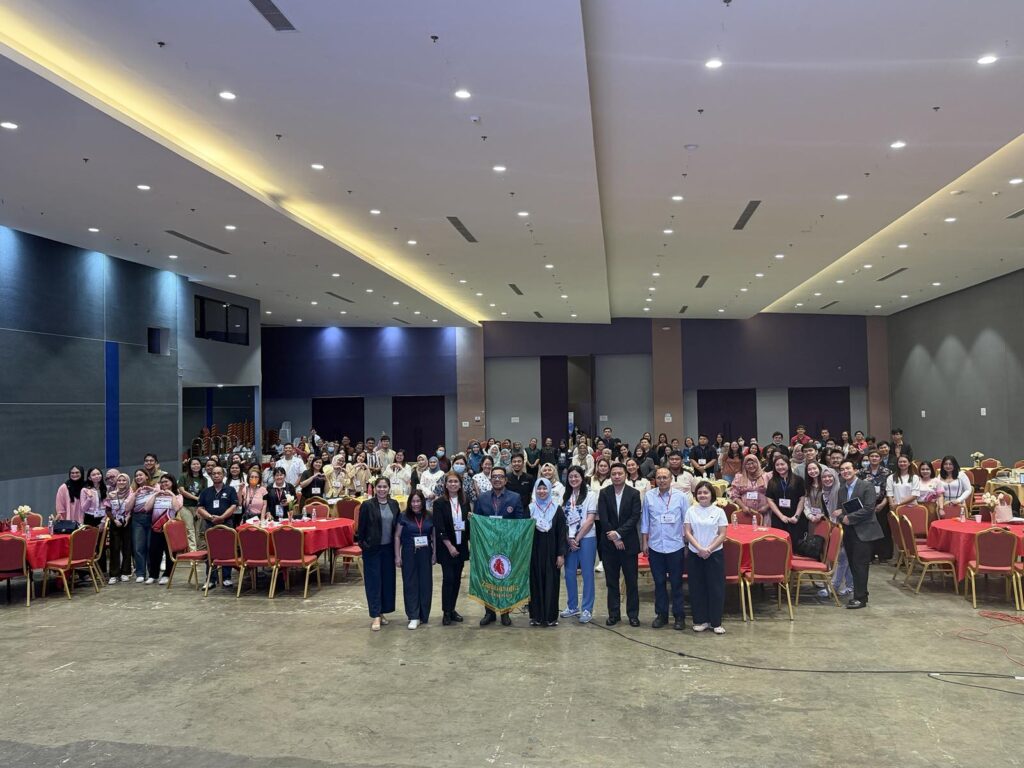
Heart Failure Caravan brings the fight to Zamboanga City
Misperception, ‘Deadma’attitude is worse than heart disease | Heart disease is already deadly—but what makes it even worse is how often people ignore it.
In the Philippines, many still dismiss warning signs like easy fatigue, shortness of breath, chest discomfort, or swelling of the legs as “pagod lang,” “stress lang,” or “normal lang ‘yan.”
This misperception and “deadma” attitude becomes a dangerous habit—because when symptoms are ignored, heart disease progresses silently until it becomes severe.
This is why the Philippine Heart Association (PHA) Heart Failure (HF) Caravan continues to expand its reach: To bring awareness closer to communities, and to remind Filipinos that HF is real, common, but preventable.
After successfully holding the same activity, in Iloilo and Cagayan de Oro, the HF Caravan arrived in Zamboanga City on Feb. 13, 2026, the day before Valentine’s Day.
PHA believes that HF awareness must not remain centered in major cities alone. It should reach every region—especially underserved areas where access to cardiologists and HF services is limited.
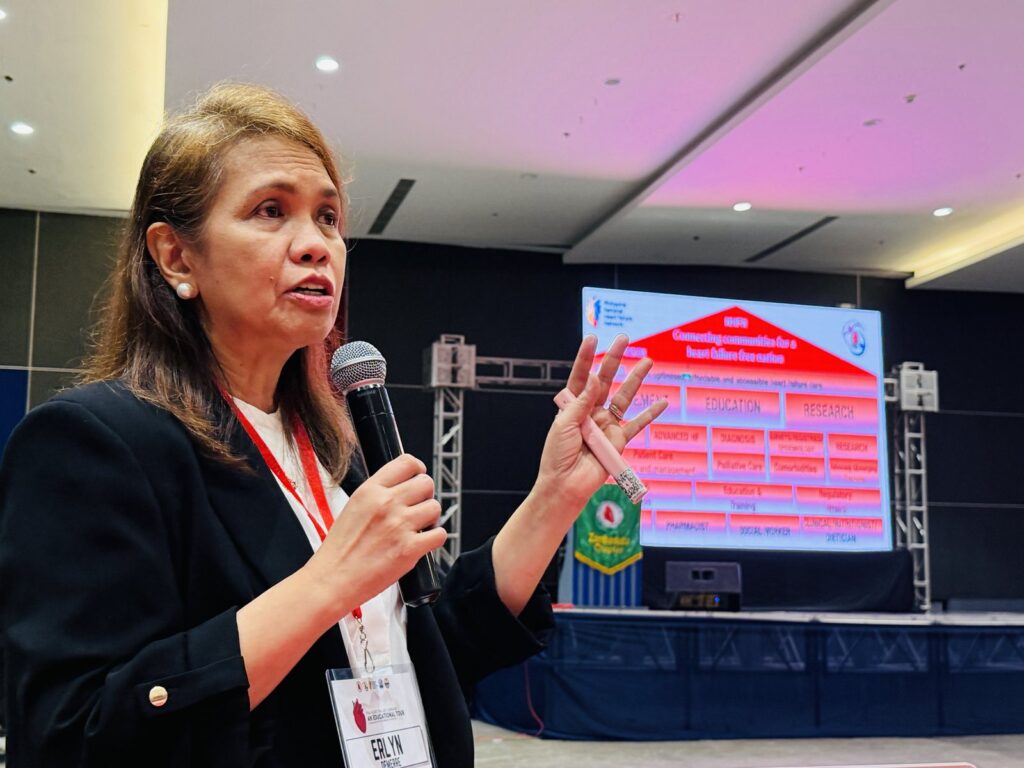
Dr. Erlyn Demerre, chair, PHA Council on Heart Failure
HF is a pandemic affecting 64 million worldwide
It has been considered a global health crisis. Worldwide, PHA Council on Heart Failure Dr. Erlyn Demerre said “it is estimated that 64 million people are living with heart failure, making it a true pandemic” in modern health. Wala pang COVID-19, pandemic na ang heart failure.”
Philippine Heart Association (PHA) National President Dr. Walid Amil said heart failure cases continue to rise, partly because Filipinos are living longer and more people are reaching ages where cardiovascular risk increases. However, he stressed that heart failure should not be dismissed as an “old person’s disease.”
Member of the Council on Heart Failure Dr. Rochelle Regina Cruz, one of the lecturers, added “Patients are getting younger due to unhealthy lifestyle and bad genes. The risk factors for HF are hypertension, kidney problem, heart attack, poor sugar control and smoking.”
Meanwhile, another lecturer Dr. Michelle Pipo, also a member of the Council said that cardiac rehabilitation (CR) is increasingly recognized as a fundamental part of heart failure management.
“In one meta-analysis, there was a 25% reduction in readmissions for those with heart failure. One of the largest clinical trials involving patients with heart failure said that cardiac rehabilitation can cause 11% decrease in all-cause mortality,” she added.
Dr. Ryan Andal, a member of the Council and one of the speakers said “Heart failure management requires a coordinated team.”
He added that cardiologists lead diagnosis and treatment, nurses monitor and educate patients, and pharmacists ensure safe medication use, rehab specialists support diet and exercise, while social workers and mental health professionals address practical and emotional needs.
Dr. Glenn Rose Advincula mentioned about the heart failure clinics.
“Heart failure clinics function as specialized hubs for evaluating advanced therapies, particularly for patients at risk of transplantation. Patients are screened and assessed thoroughly before being listed under the Philippine Donor Organ Registry System (PHILOS), ensuring donor-recipient matching is safe and timely,” she said.
HF does not mean the heart suddenly stops beating. It means the heart becomes too weak or too stiff to pump blood properly.
Over time, this leads to fluid buildup, reduced oxygen supply, and worsening symptoms that affect daily life.
Unfortunately, many patients only seek medical help when symptoms become unbearable—yet early detection is one of the strongest ways to prevent complications.
Demerre said HF is not treated by one specialist alone.
“Navigating through the heart failure path —from diagnosis to stabilization is not just the patient’s but the physician’s and the entire family’s journey. It takes a village (collaborative care) to take care of a HF patient,” she said.
This “village” includes cardiologist, primary care physicians, internists, heart failure nurses, nutritionists and dietitians, pharmacists, physiotherapists, social workers, geriatricians, surgeons, pulmonologists, nephrologists, neurologists, and psychiatrists / psychologists.
Heart disease remains the leading cause of death
Cardiovascular diseases (CVDs) remain the leading cause of deaths globally, taking millions of lives every year. The Philippines continues to face the same burden, as heart-related conditions remain among the country’s top killers.
The growing cases of hypertension, diabetes, obesity, smoking, and unhealthy diet patterns contribute heavily to the rise of heart failure. This makes awareness campaigns and preventive cardiology not just helpful—but necessary.
Heart failure is common. It is serious. But it is also manageable—and in many cases, preventable.
As the Heart Failure Caravan moves from Iloilo to Cagayan de Oro, and now to Zamboanga City, it carries a message that every Filipino needs to hear: Don’t be deadma. Don’t ignore symptoms. Protect your heart early.